The International Conference on Computational and Experimental Science and Engineering (ICCES) was co-founded in 1986 by Satya N. Atluri, a member of the U.S. National Academy of Engineering, and Professor Genki Yagawa of the University of Tokyo. It is one of the most prestigious and long-standing international academic conference series in the world. After more than three decades of development, ICCES has become one of the most influential academic events in the fields of computational and experimental engineering and science, with topics spanning cutting-edge interdisciplinary areas such as engineering mechanics, materials science, advanced manufacturing, and artificial intelligence. The 32nd ICCES (ICCES2026) will be held in Hong Kong, China, from August 7 to 12, 2026. It is hosted by the Hong Kong Polytechnic University and co-organized by the City University of Hong Kong, the Hong Kong University of Science and Technology, Wuhan University of Technology, among others. It attracted 2,225 experts and scholars from 30 countries and regions worldwide, bringing together numerous leading scholars, including 10 members of the U.S. National Academy of Engineering, 9 Fellows of the Royal Society, and 7 members of the Chinese Academy of Sciences.
As one of the key thematic sessions of this conference, Session S126, “Advanced Manufacturing and Intelligent Design for Aerospace Structures and Systems,” was successfully held on August 11 in Conference Room DE306 at the Hong Kong Polytechnic University. The session was initiated and organized by Ren Xudong, Vice President of our university and professor at the School of Mechanical Engineering, and was co-chaired by Professor Tang Chun, Vice Dean of the School of Low-Altitude Technology, and Professor Liang Hongyu from our school. The session was divided into two half-sessions that morning: the first half was chaired by Professor Tang Chun and Associate Professor Zhou Wangfan, while the second half was chaired by Professor Liang Hongyu and Associate Professor Tong Zhaopeng. The conference featured discussions on cutting-edge topics such as advanced manufacturing of key aerospace components, laser shock peening, superlubricity materials, additive manufacturing, and intelligent thermal management. The agenda was tightly packed, and the event was marked by a vibrant academic atmosphere.
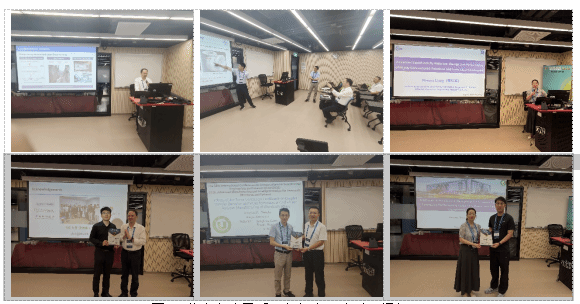
Figure 1. Session Chairs: Ren Xudong, Tang Chun, and Liang Hongyu
The sub-conference invited several renowned scholars to deliver keynote and invited presentations. Lu Yang, Chair Professor in the Department of Mechanical Engineering at the University of Hong Kong (represented by Li Chong), delivered a keynote presentation titled “Structured Multi-Component Alloy Metamaterials”; Professor Yi Min and Associate Researcher Wang Linfeng from Nanjing University of Aeronautics and Astronautics, Researcher Yu Yuan from the Lanzhou Institute of Chemical Physics, Chinese Academy of Sciences, and Lecturer Du Shaonan from North China Electric Power University each delivered invited presentations. They shared cutting-edge research findings on topics such as the structural fatigue life assessment of reusable liquid rocket engines, bionic multimodal tactile sensors for agile operation and maintenance in aerospace applications, the friction-corrosion behavior of wear-resistant high-entropy alloys, and functionalized graphene lubricants and their superlubricity properties, offering faculty and students in attendance a high-caliber academic feast.
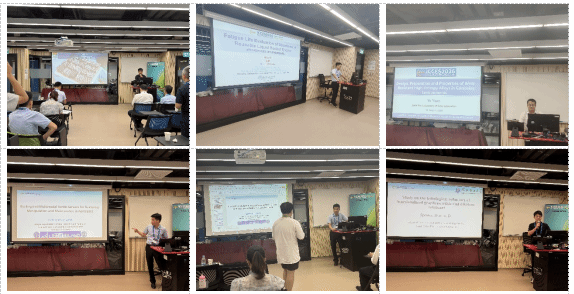
Figure 2. Guest experts from outside the university delivering keynote/invited presentations (each row, from left to right): Lu Yang (presented on behalf of Li Chong), Yi Min, Yu Yuan, Wang Linfeng, Du Shaonan
Faculty and students from our institute actively participated in the academic exchanges at this session through various formats. Professor Ren Xudong delivered a keynote presentation titled “Laser Forming and Performance-Controlled Manufacturing of Critical Aeronautical Components: Theory, Technology, and Applications”; Professor Liang Hongyu gave an invited presentation titled “Advanced Superlubricating Materials: Design and Properties of High-Concentration Solutions and Ionic-Like Liquids”; Associate Professors Zhou Wangfan and Tong Zhaopeng, Professor Gu Hengzhi, and Laboratory Technician Yang Yu each delivered invited presentations on cutting-edge topics such as laser shock-driven high-speed flying-chip deposition, laser shock-hardened additive-manufactured high-entropy alloys, multiscale simulation of LPBF melt pool dynamics, and a comparative study on the fretting wear performance of uncoated laser shock-hardened pure titanium; Ph.D. candidate Ning Hongyang delivered an oral presentation on multiscale active thermal management in aerospace systems. In addition, numerous faculty members and students from our school attended the entire conference and actively participated in discussions and exchanges, fully demonstrating their commitment to engaging with the forefront of academia and proactively integrating into the international academic community.
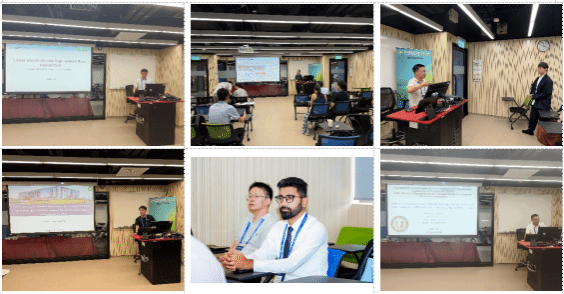
Figure 3. Faculty and students from our college delivering presentations at the session (each row, from left to right): Zhou Wangfan, Tong Zhaopeng, Gu Heng, Ning Hongyang; Li Tianqing (School of Materials Science and Engineering)
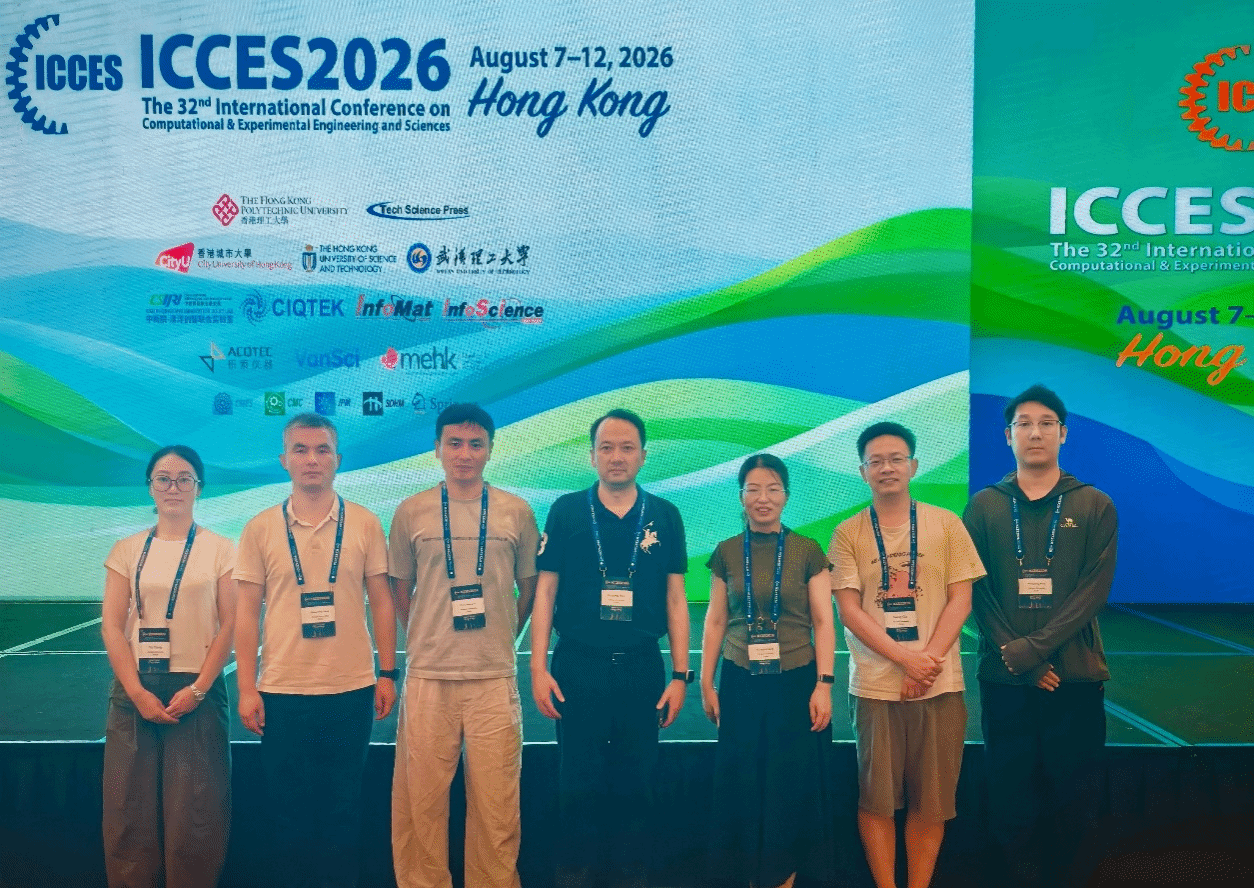
Figure 4. Group photo of all participating faculty and students from the School of Mechanical Engineering at Jiangsu University
The successful hosting of Session S126 at ICCES 2026 provided scholars in the field of advanced aerospace manufacturing with a high-quality platform for academic exchange. The active participation of our faculty and students at this conference not only showcased the school’s research achievements in areas such as laser manufacturing, superlubrication, additive manufacturing, and intelligent thermal management, but also effectively broadened our international academic horizons. This fully demonstrates the school’s sustained dedication and academic vitality in the fields of cutting-edge manufacturing and design, laying a solid foundation for deepening inter-university cooperation and advancing the development of our disciplines in the future.
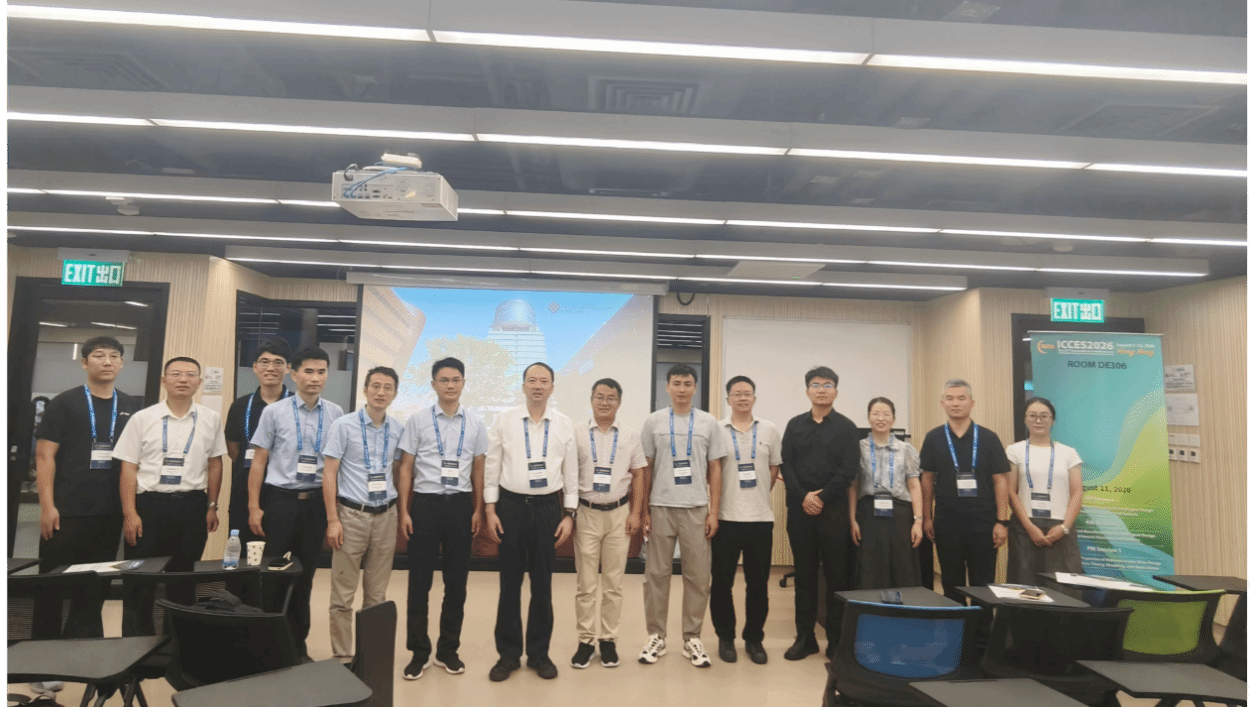
Figure 5. Group photo of all session chairs, moderators, and presenters from Session S126